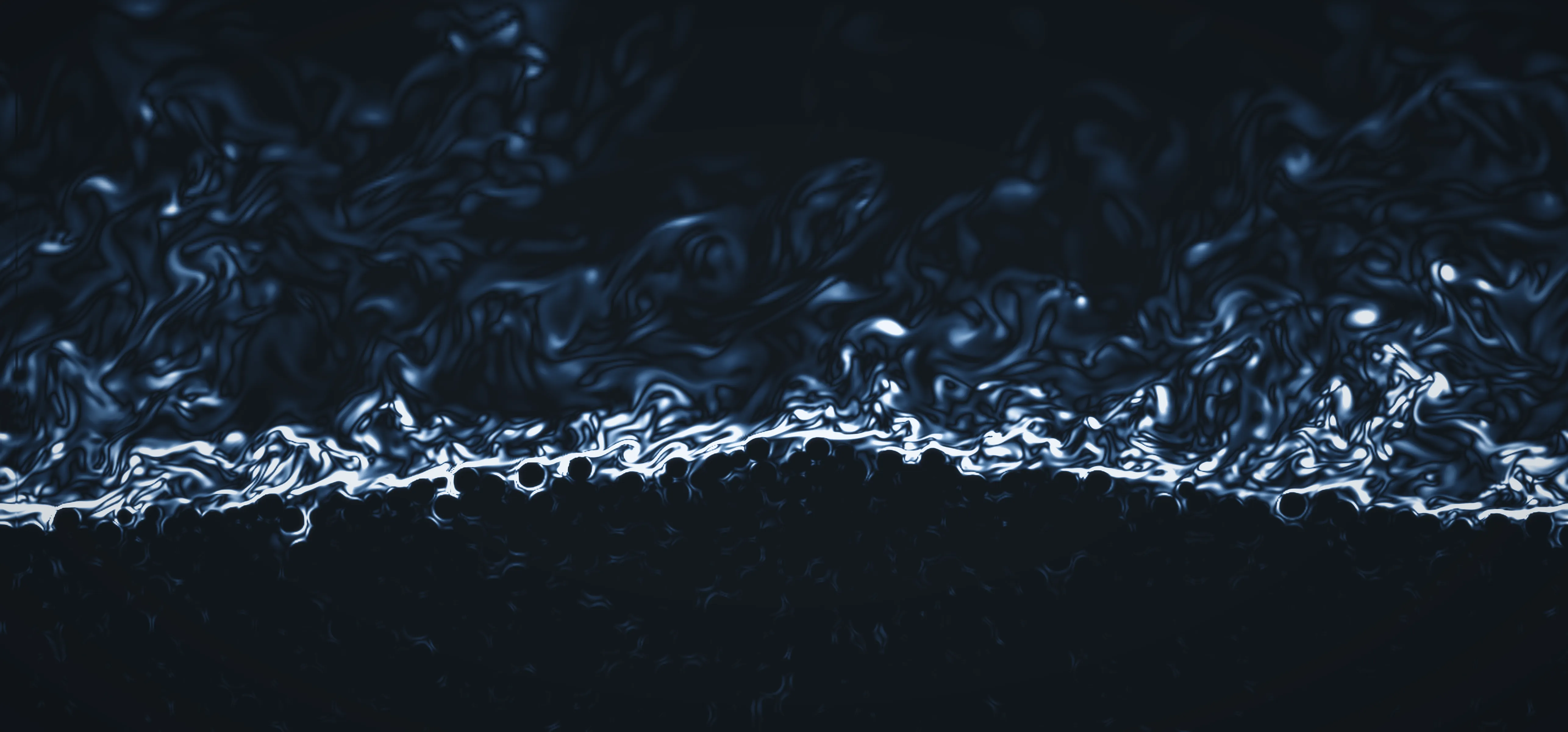
At the Turbulence Simulation and Modeling (TSM) Lab at Michigan State University, we understand the fundamentals of turbulence through large-scale, high-fidelity simulations and develop next-gen physics- or data-based predictive methods. Applications address engineering and environmental problems challenging for traditional approaches.
- Pressure gradients
- Unsteadiness
- Surface roughness & permeability
- Compressibility
- Multiple phases
- Vehicles & vessels
- Turbomachinery
- Biogeochemistry
- Animal locomotion
- Atmospheric flows
What we study
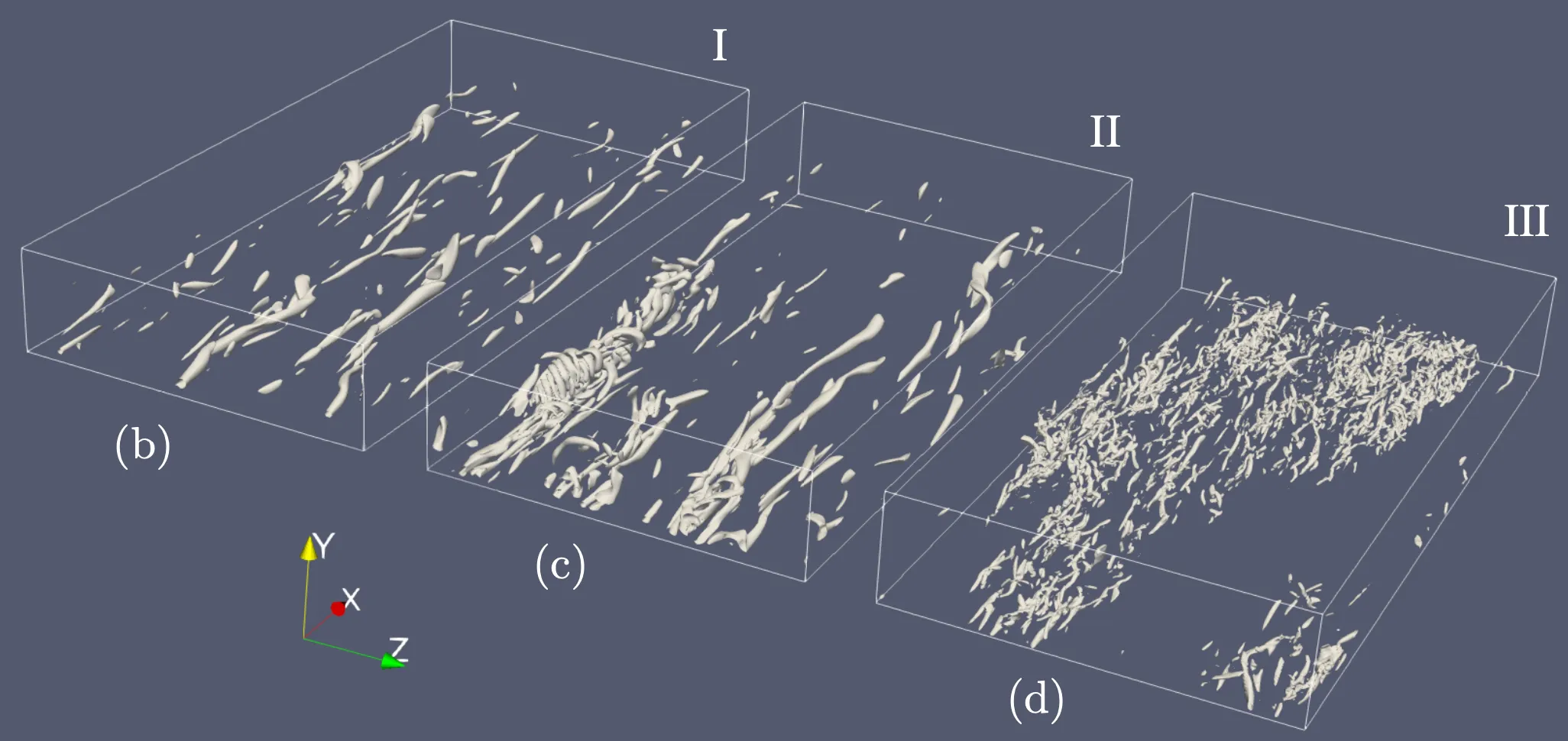
Non-equilibrium wall-bounded turbulence
High-fidelity simulations quantify where standard models fail, in unsteady or spatially developing wall-bounded flows under strong pressure gradients.
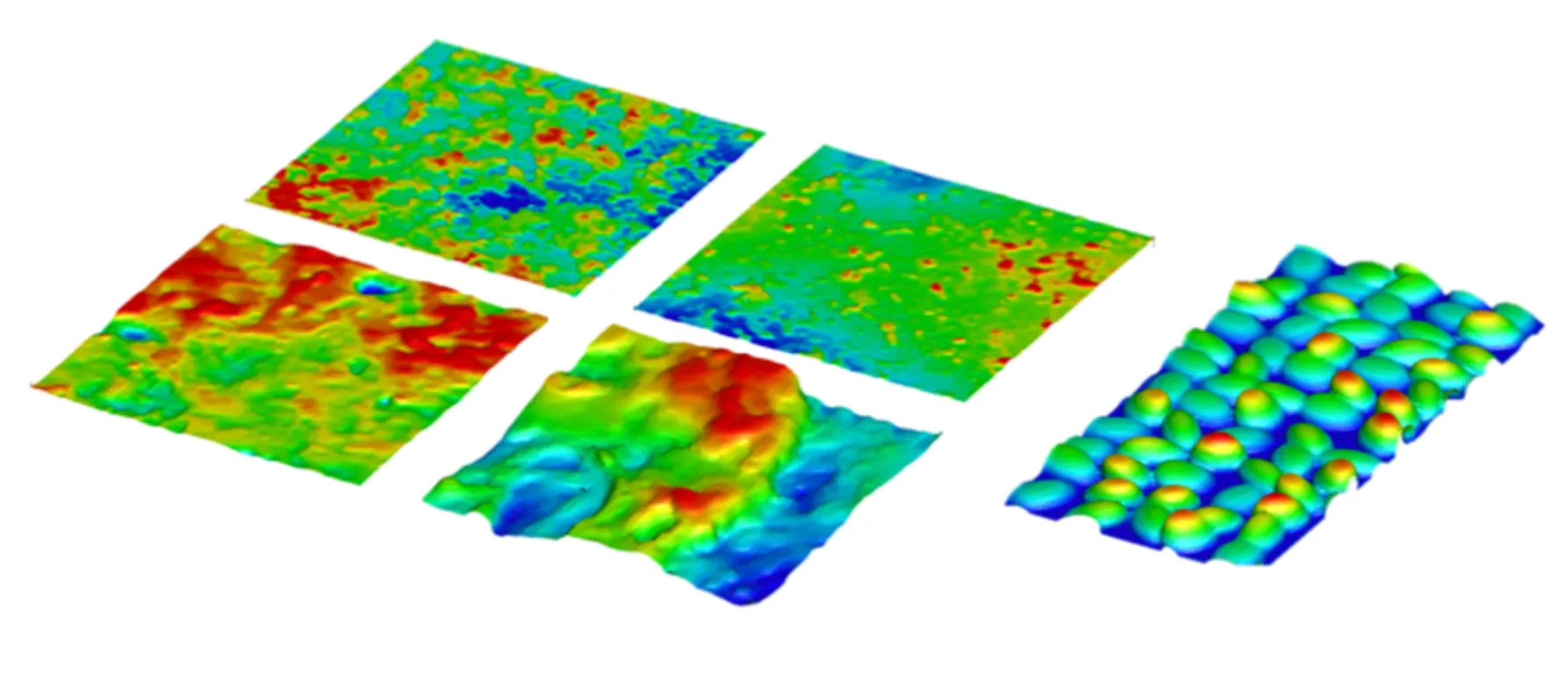
Roughness effects on turbulent flows
Roughness-resolved simulation database and physics-based modeling to improve RANS closure for arbitrary surfaces in complex flows.
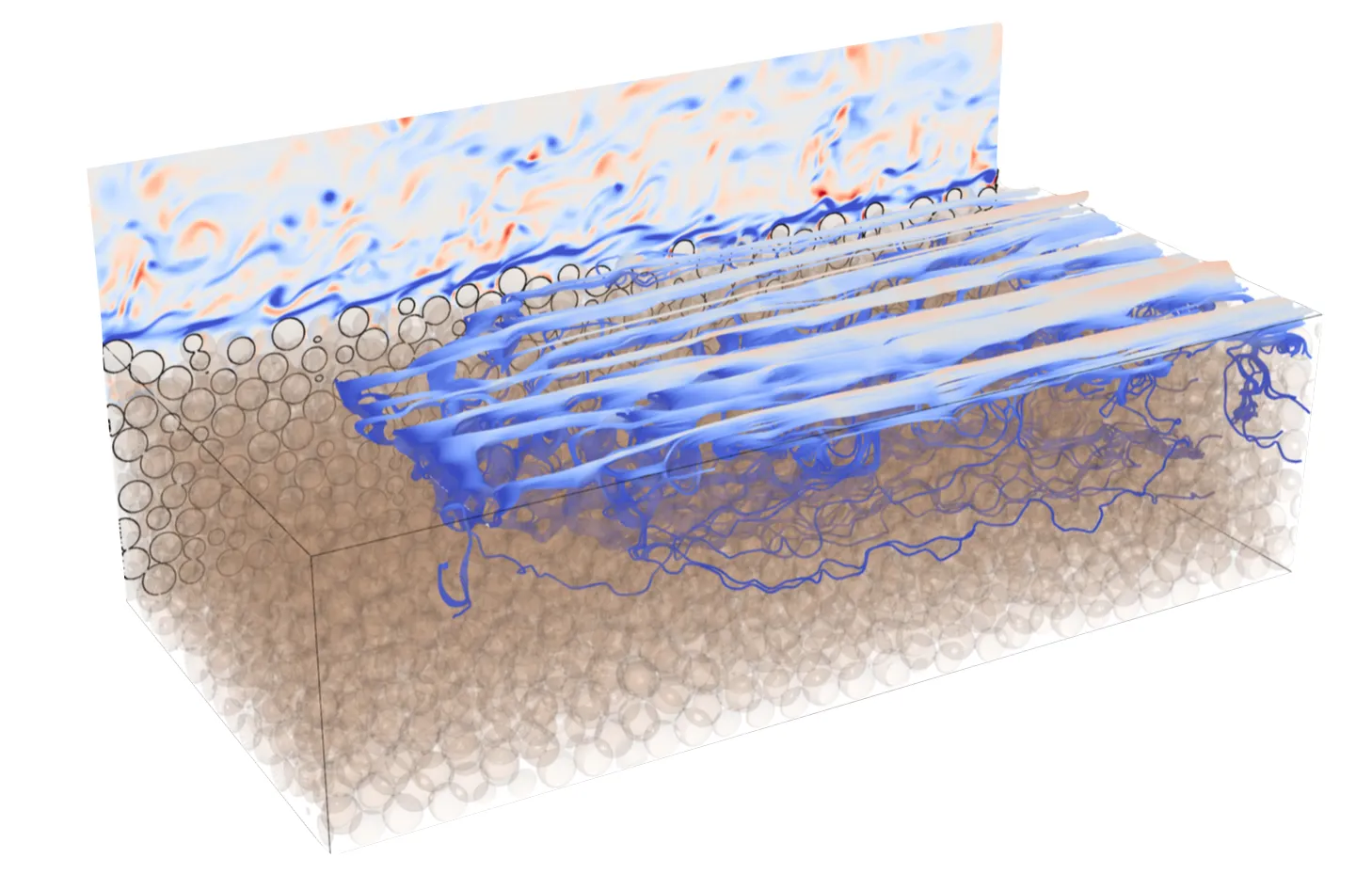
Permeable-wall turbulence & hyporheic exchange
Pore-resolved simulations of stream–sediment exchange — revealing ‘roughness pumping’ and long subsurface transit times.
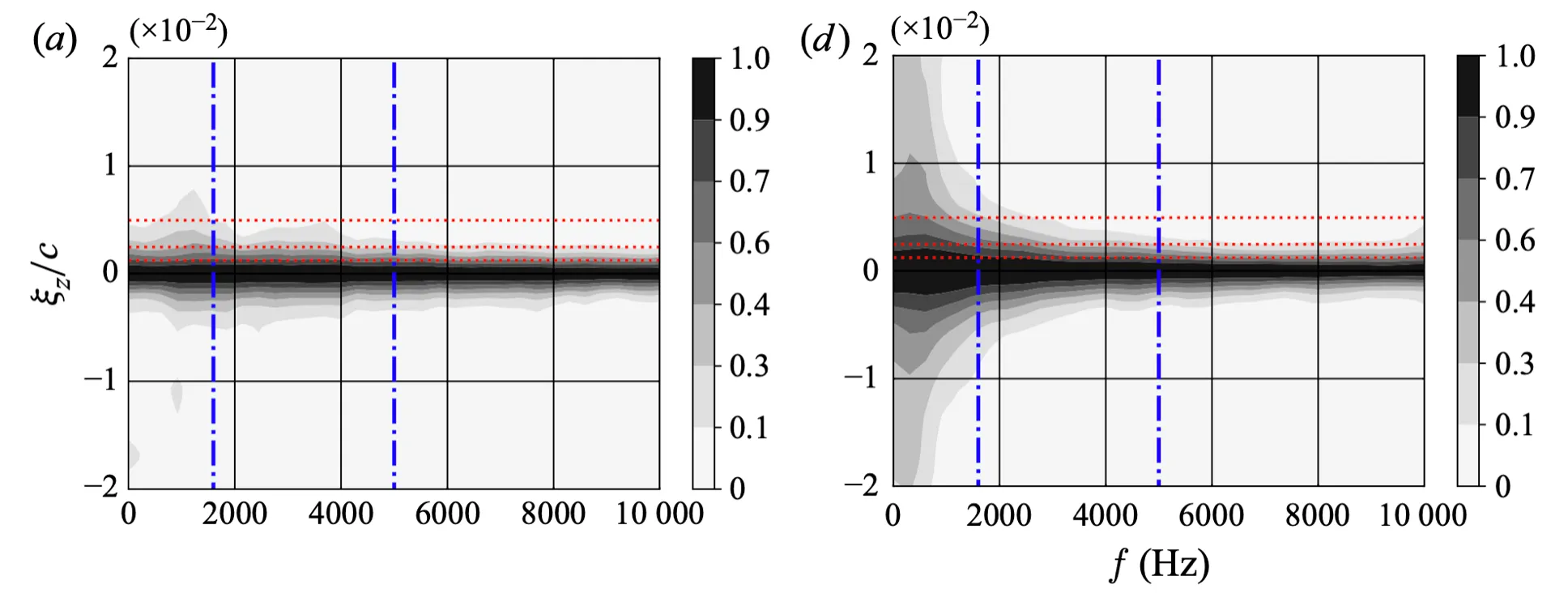
Turbulence-induced noise & fan application
Fast-prediction tools for fan acoustics and efficiency — part of the Consortium for Ultra-High Efficiency Quiet Fans.
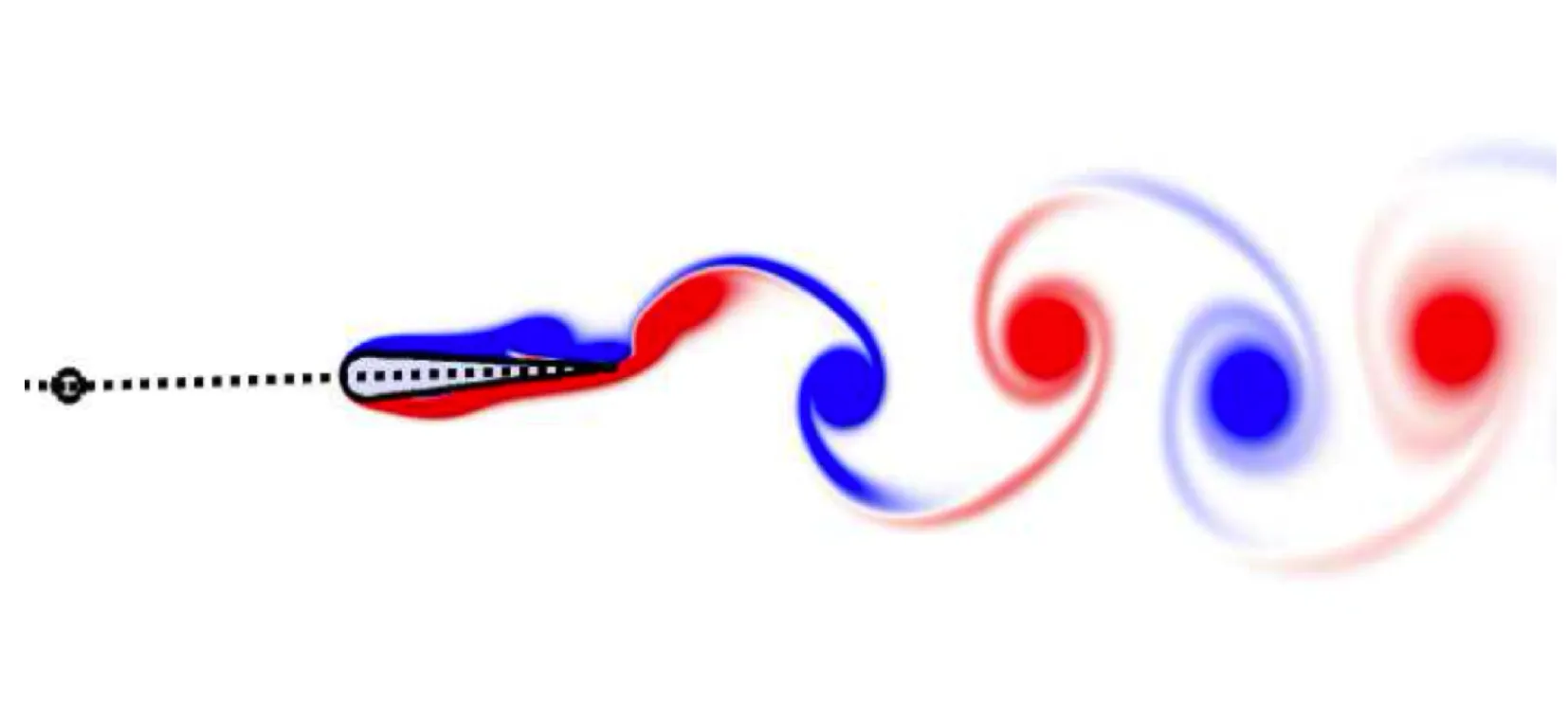
Fluid–structure interaction in undulatory swimming
A nonholonomic-constraint reduced-order model of fish swimming (the fin acts as a frictionless keel), validated against simulations and a physical land-fish prototype.
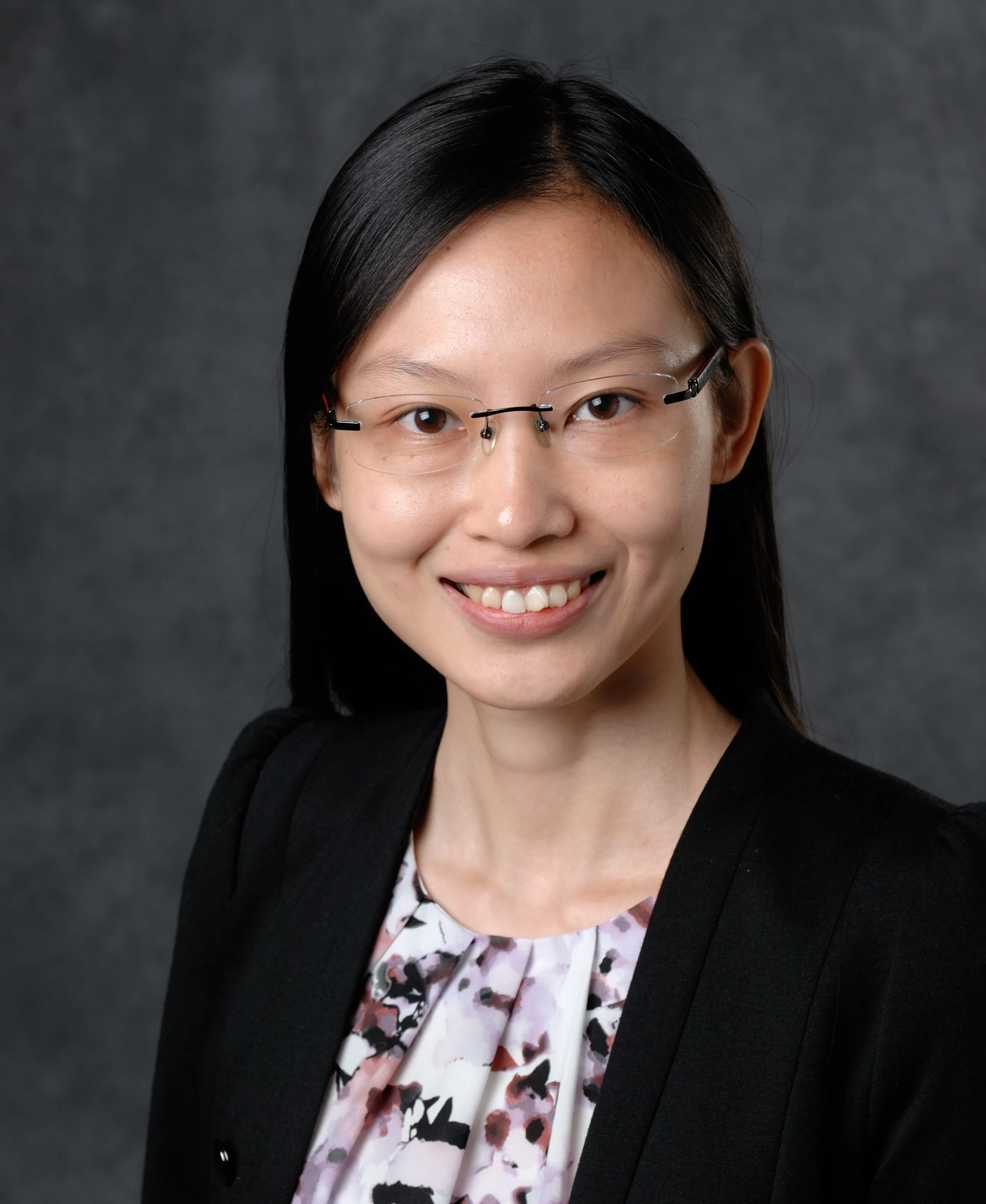
Junlin Yuan
Prof. Yuan developed large-scale, high-fidelity numerical simulation methods for complex wall-bounded turbulent flows. Her research goal is to push the boundaries of physical understandings of complex, realistic turbulence, and to develop physics-based and empirical closures for a wide range of applications.